





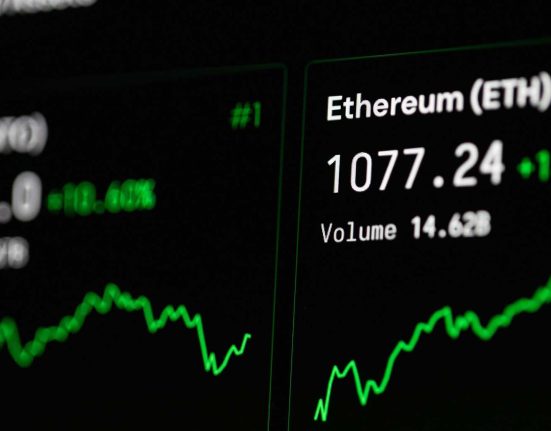



In today’s increasingly complex financial markets, investment products range from traditional stocks, funds, and bonds to emerging wealth management products, cryptocurrencies, and internet finance platforms. Each investment decision requires specialized knowledge and risk assessment skills. However, many ordinary investors exhibit significant gaps in financial knowledge, which are becoming a new source of risk, affecting personal financial security and potentially imposing pressure on the broader financial system.
1. Manifestations of Financial Knowledge Gaps
Financial knowledge gaps are evident in several ways:
-
Lack of basic financial literacy
Many investors have limited understanding of interest rates, inflation, compound interest, and risk-return relationships, leading to uninformed product selection. -
Behavioral biases in investment
Investors are easily influenced by market sentiment, advertisements, or social media recommendations, resulting in herd behavior and frequent trading, often neglecting asset allocation and risk control. -
Insufficient understanding of product risks
Especially in emerging areas like internet finance, P2P platforms, and cryptocurrencies, investors often overestimate potential returns and underestimate risks, leading to losses. -
Lack of long-term financial planning awareness
Many pursue short-term gains while ignoring emergency savings, financial planning, and wealth accumulation strategies.
These knowledge gaps make investors prone to irrational decisions during market fluctuations.
2. Risks Stemming from Knowledge Gaps
Financial knowledge gaps pose risks not only to individuals but also to the market:
-
Individual level: investment mistakes can lead to asset loss, increased debt, and compromised financial security
-
Family level: financial losses may impact household well-being and intergenerational wealth
-
Market level: widespread herd behavior can amplify market volatility, increasing systemic risk
With the proliferation of new financial products, these risks become more pronounced.
3. Causes of Knowledge Gaps
-
Insufficient financial education
Schools and society often underemphasize financial literacy, leaving investors unprepared for the market. -
Information asymmetry
Market information is complex and specialized, making it difficult for ordinary investors to assess reliability and value. -
Psychological and behavioral biases
Greed, fear, and herd mentality lead investors away from rational judgment, magnifying the impact of knowledge gaps. -
Rapid technological and product changes
Fast-paced fintech developments make it challenging for ordinary investors to keep up with new product features and risks.
4. Key Paths to Narrow Knowledge Gaps
-
Enhance financial education and training
Promote basic financial knowledge from schools to society, including risk management, asset allocation, and long-term financial planning. -
Improve information analysis and evaluation skills
Learn to verify sources and use reliable tools to analyze investment products. -
Cultivate rational investment mindset
Adopt long-term investment strategies and avoid frequent trading and herd behavior. -
Leverage professional services
Seek advice from investment advisors or financial planners for complex products to reduce decision-making risks. -
Enhance regulation and transparency
Regulators should improve product disclosure and investor protection mechanisms to provide a safer and more transparent market environment.
5. Conclusion: Knowledge is the First Line of Defense Against Risk
In financial markets, knowledge gaps are an invisible source of risk. Improving financial literacy and strengthening risk awareness not only protects individual wealth but also contributes to market stability. As financial instruments grow more complex, continuous learning, rational investing, and scientific planning are essential to maintaining a secure position in the market.
Financial knowledge is not just information—it is a defense line. It safeguards personal financial security and supports the stability of the entire economic system.


Leave feedback about this