


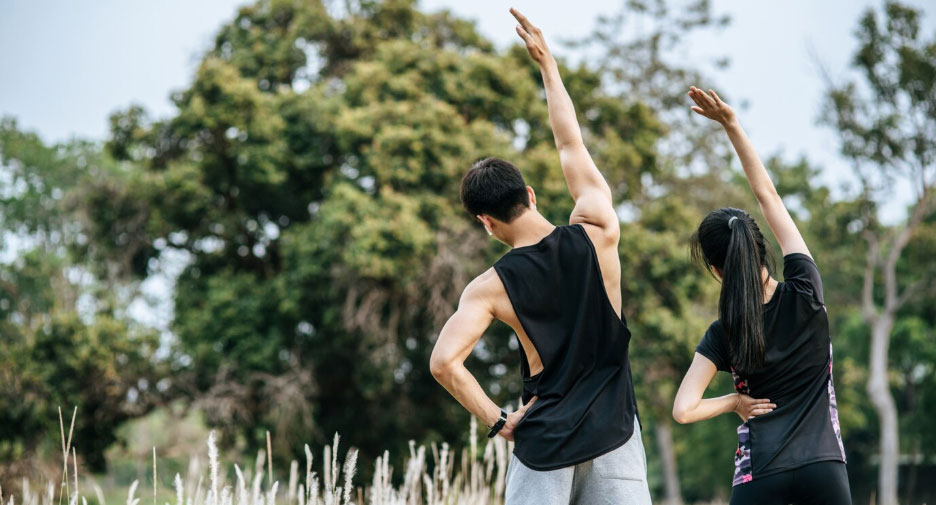
With the accelerating pace of modern life and increasing urbanization, people face unprecedented lifestyle challenges. Sedentary habits, fast food, and high-pressure work environments have led to a growing prevalence of suboptimal health. At the same time, environmental problems, such as air pollution, water scarcity, and excessive energy consumption, pose serious threats to human health and ecological balance. In this context, combining green exercise with a healthy lifestyle has become increasingly important. Green exercise not only focuses on physical health but also emphasizes harmony with nature and advocates sustainable living.
1. Concept and Significance of Green Exercise
Green exercise refers to physical activities conducted in natural environments, such as hiking, jogging, cycling, mountain climbing, and outdoor yoga. Compared to indoor exercise, green exercise improves physical fitness, enhances mental health, boosts immunity, and reduces stress.
Scientific studies show that exercising in nature significantly lowers blood pressure, alleviates anxiety and depression, and improves attention and creativity. Green exercise emphasizes low carbon and environmental friendliness. Replacing short car trips with walking or cycling not only strengthens the body but also reduces carbon emissions—a win-win for health and the environment.
2. Practical Methods for Green Exercise
-
Choose Sustainable Transportation
Daily commuting can involve walking, cycling, or using public transport. For distances under two kilometers, walking is ideal; three to five kilometers can be covered by cycling. This not only saves fuel but also exercises leg muscles and improves cardiovascular fitness. -
Integrate Outdoor Exercise into Daily Life
Weekend activities such as hiking, mountain climbing, or cycling trips combine exercise with nature exposure. Choosing parks, wetlands, or forested areas allows people to enjoy fresh air while observing plants and animals, fostering environmental awareness. -
Opt for Low-Carbon Sports Equipment
Choose durable, eco-friendly materials for sportswear and equipment to reduce disposable waste. Reusable water bottles, biodegradable yoga mats, and second-hand bicycles are practical ways to practice green exercise. Proper resource use and extending the lifespan of equipment contribute to sustainable living.
3. Green Diet Complements Exercise
A healthy lifestyle also depends on dietary habits. Green diets emphasize plant-based foods, reduced red meat consumption, and locally sourced or organic ingredients. When combined with green exercise, this can significantly improve overall health.
For instance, consuming oats, nuts, and fruits before or after exercise replenishes energy and aids muscle recovery. The low-carbon nature of green diets aligns with the low-carbon principles of green exercise, achieving both physical well-being and environmental protection.
4. Mental Health and Sustainable Living
Green exercise positively impacts mental health. Studies show that exposure to nature reduces stress hormones, improves sleep quality, and enhances overall well-being. People who consistently engage in green exercise exhibit lower rates of anxiety and depression than those who exercise only indoors.
Moreover, green exercise promotes environmental consciousness. By reducing private car usage, participating in community tree-planting activities, and supporting sustainable sports equipment, individuals develop responsibility and environmental awareness, extending healthy lifestyles into social responsibility.
5. Promoting Green Living from Individuals to Communities
Green exercise can also serve as a platform to promote sustainable living in communities. Public parks, bike lanes, and green trails provide exercise spaces while spreading low-carbon habits. Schools and workplaces can organize green exercise activities to cultivate eco-consciousness and healthy habits among children and employees.
Through personal practice and social sharing, green exercise influences more people to adopt healthy and environmentally friendly lifestyles, gradually creating low-carbon and sustainable community cultures.
Green exercise is not just a way to stay physically fit; it is a lifestyle that advocates sustainability. By combining exercise with natural environments, choosing low-carbon transportation, adopting a green diet, and focusing on mental well-being, we can enhance personal fitness and happiness while contributing to environmental protection. Green exercise is a lifestyle of harmony between body, mind, and nature, allowing us to pursue health while safeguarding the planet we rely on.